Don't miss our holiday offer - up to 50% OFF!
What do you need to know about digital printing?

The Power of Design Freedom
The greatest advantage is limitless design freedom. There are no color restrictions or repeat pattern constraints. Designers can use millions of colors, create intricate details, and make last-minute changes easily. This fosters incredible creativity and allows for hyper-personalized products, from unique garments to one-of-a-kind art pieces on fabric.
Impact on the Textile Industry
Digital printing disrupts the textile supply chain. It enables a shift from mass production to mass customization and on-demand manufacturing. This reduces lead times, minimizes inventory costs, and lowers the barrier for entry for small designers. It promotes agility, allowing brands to react quickly to trends and consumer demands.
Technical Considerations & Challenges
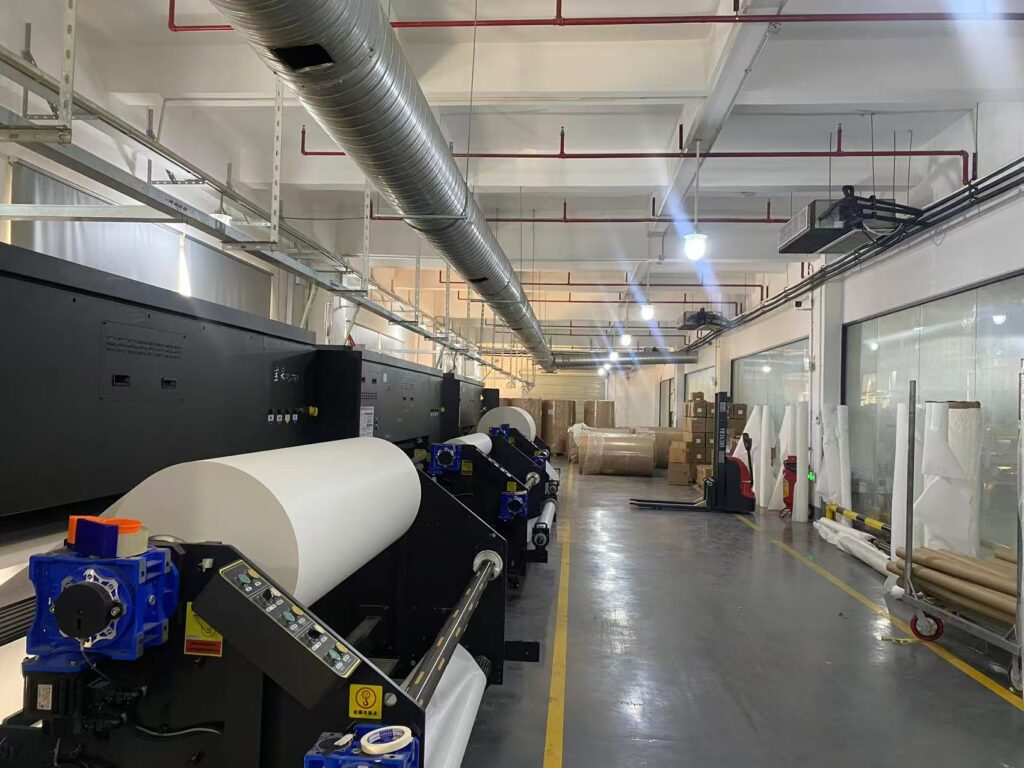
Key factors include fabric pre-treatment for ink bonding, printer technology (e.g., piezoelectric inkjet), and ink types (reactive, pigment, acid, sublimation). Challenges include achieving consistent color matching, ensuring wash-fastness, and managing higher per-unit costs for large runs. Ongoing advancements are steadily addressing these issues.
Personalization & Customization Boom
Digital printing is the engine behind the customization trend. Customers can co-create products, adding names, photos, or unique artwork to garments, shoes, and accessories. This creates emotional value, reduces returns, and builds brand loyalty. It represents a shift from passive consumption to active creation.